
Weekend city break
A weekend city break doesn’t have to mean flying, commuting to a distant airport, or renting a car. From many Polish cities, you can comfortably reach the most interesting capitals and centers of Central Europe and the Baltic countries by bus. Just choose your destination well, buy a ticket in advance, and prepare a simple sightseeing plan.
In this list, we present 10 European cities that are perfect for a short trip. Each of them offers an attractive city center, efficient public transport, and enough interesting places to make the most of two or three days. We have included both classic destinations, such as Prague, Berlin, and Vienna, as well as cities that might be a less obvious but very successful choice for a weekend.
Why choose a bus for a weekend trip?
- Convenient departure and arrival points – bus stations are often located near the city center or are well-connected to key districts.
- No need to drive – travel time can be used for rest, reading, or planning your sightseeing.
- Option of overnight travel – on longer routes, an overnight journey can reduce the number of overnight stays and allow you to start sightseeing in the morning.
- Wide choice of destinations – international connections cover popular capitals, regional cities, and important transfer hubs.
- Easy comparison of offers – you can check available routes, times, and prices of various carriers in one place.
1. Prague – a classic city break full of historical sites
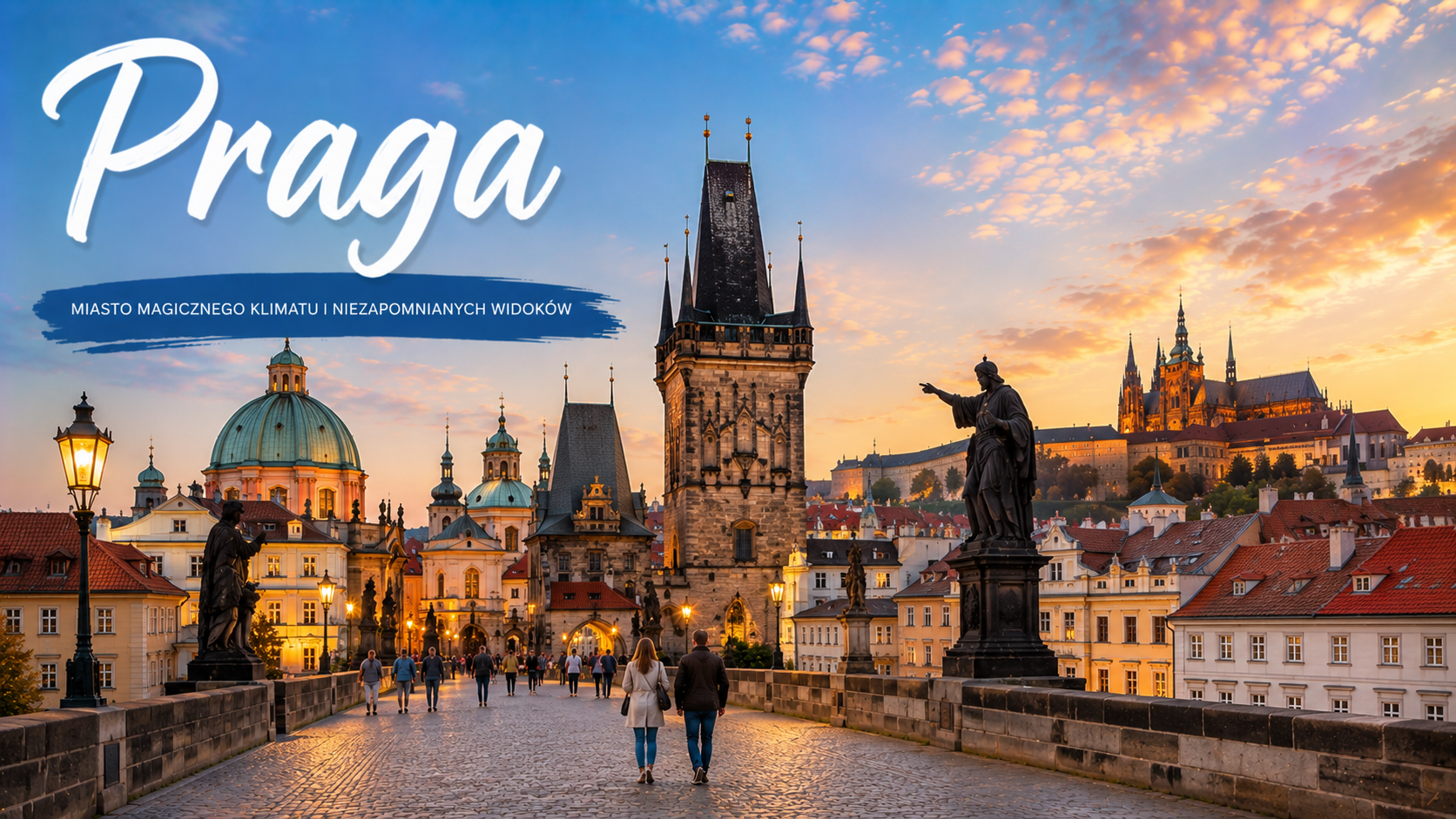
Best for: couples, history enthusiasts, photography, and atmospheric walks.
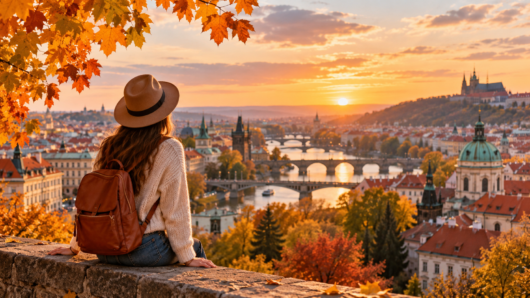
Prague is one of the most popular weekend destinations in Central Europe. Its biggest advantage is its compact historic center, allowing many attractions to be seen on foot. Charles Bridge, Old Town Square, the Astronomical Clock (Orloj), Malá Strana district, and the castle complex form a natural itinerary for the first day of your stay.
On the second day, it’s worth venturing beyond the most crowded streets to visit Petřín Hill, Vyšehrad, the Holešovice district, or one of the contemporary art museums. Prague has an extensive tram and metro network, making it easy to combine classic sightseeing with exploring less obvious parts of the city.
What to see in a weekend?
- Charles Bridge and Old Town,
- Prague Castle (Hradčany) and St. Vitus Cathedral,
- Malá Strana and Kampa Island,
- Vyšehrad or Petřín Hill,
- one of the traditional Czech restaurants outside the strict center.
Practical tip: for intensive sightseeing, consider a time-limited public transport ticket. Before purchasing, check the current validity rules and how to validate the ticket.
2. Berlin – history, culture, and modern districts
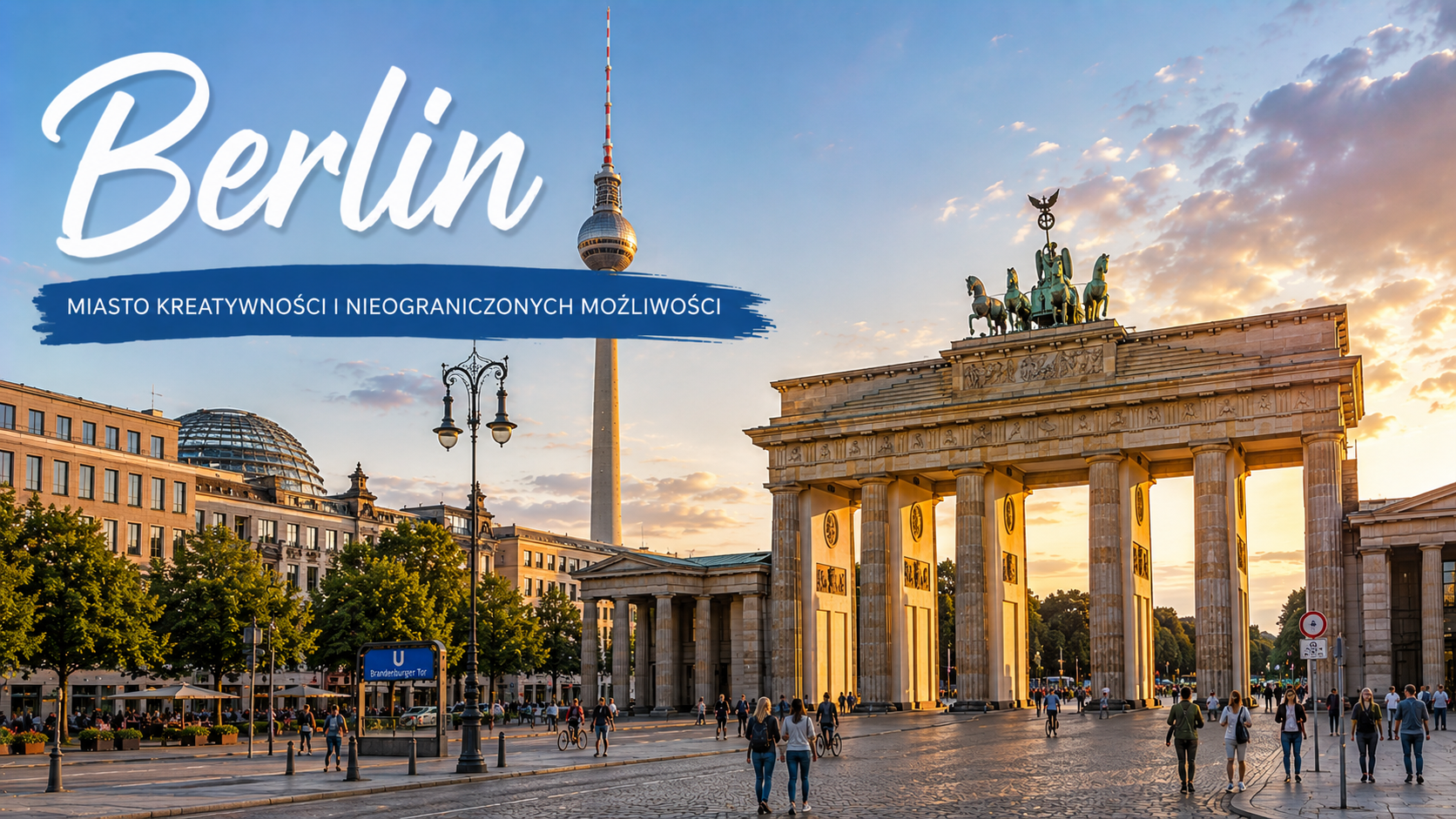
Best for: those interested in 20th-century history, art, museums, and urban lifestyle.
Berlin is vast, but its main attractions are well-connected by metro, S-Bahn, and buses. You can start your weekend with the Brandenburg Gate, the Reichstag, Unter den Linden boulevard, and Museum Island. Later in the day, it’s worth seeing the remnants of the Berlin Wall and the East Side Gallery.
On the second day, you can choose one of several different Berlins: the palatial Charlottenburg, alternative Kreuzberg, green Tiergarten, modern Potsdamer Platz, or the markets and cafes of Prenzlauer Berg. This makes the city perfect for both a first visit and a subsequent weekend return.
What to see in a weekend?
- Brandenburg Gate and Reichstag,
- Memorial to the Murdered Jews of Europe,
- Museum Island,
- East Side Gallery,
- a chosen district outside the historic center.
Practical tip: Don’t plan too many distant points in one day. Berlin is best explored by districts, limiting time spent on travel.
3. Vienna – elegance, palaces, and coffee houses
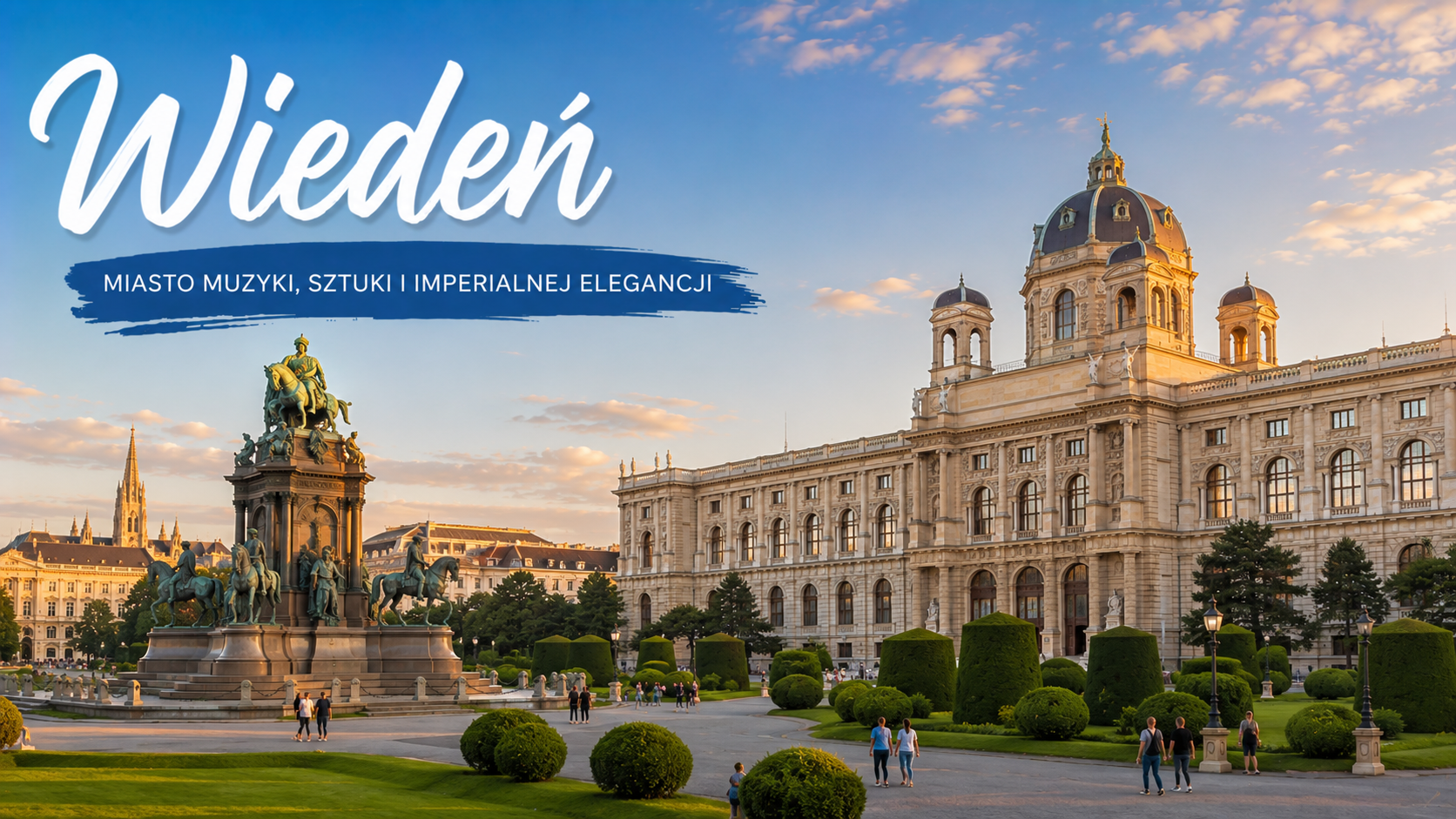
Best for: couples, architecture enthusiasts, music, museums, and classic coffee houses.
Vienna combines monumental historical sites with a very high level of comfort for getting around the city. The first day is worth dedicating to the historic center: St. Stephen’s Cathedral, the Hofburg Palace, the grand Ringstrasse, and the area around the Vienna State Opera. In the evening, you can visit a traditional coffee house or take a walk along the Danube Canal.
On the second day, Schönbrunn Palace, the Belvedere, or the MuseumsQuartier complex would be good choices. Vienna offers so many cultural institutions that before your trip, it’s worth choosing one or two places that best suit your interests, instead of trying to see everything.
What to see in a weekend?
- St. Stephen’s Cathedral,
- Hofburg Palace and the Ringstrasse,
- Schönbrunn Palace or the Belvedere,
- Naschmarkt,
- one of the historic coffee houses.
Practical tip: Some of the most popular museums and attractions have timed entry slots. Online booking can help you stick to a packed weekend schedule.
4. Budapest – Danube panorama and thermal baths
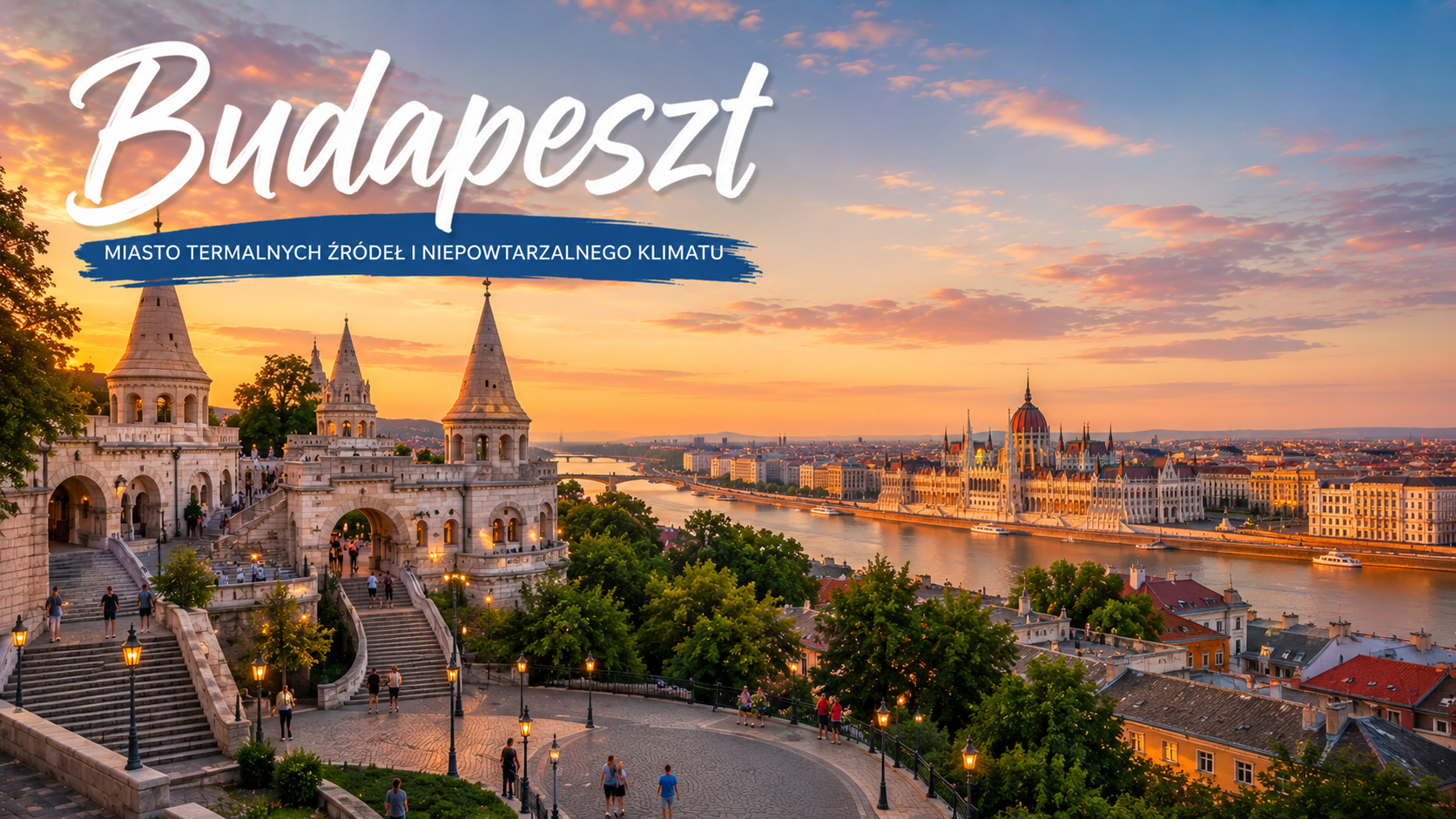
Best for: couples, groups of friends, lovers of panoramas, cuisine, and relaxation.
Budapest offers an exceptionally large number of attractions for a short stay. On the Pest side, you’ll find the Parliament, St. Stephen’s Basilica, grand boulevards, and popular venues. Buda attracts with Castle Hill, Fisherman’s Bastion, and views of the Danube. Even just a walk between the two parts of the city allows you to see many of the most important sights.
It’s worth including one of the thermal baths in your weekend plan. This is an attraction that sets Budapest apart from most European capitals and allows you to combine intensive sightseeing with relaxation. In the evening, it’s best to see the illuminated Parliament and bridges from the embankment or one of the viewpoints.
What to see in a weekend?
- Parliament and the Danube embankment,
- Castle Hill and Fisherman’s Bastion,
- St. Stephen’s Basilica,
- Central Market Hall,
- a chosen thermal bath.
Practical tip: Budapest is extensive. It’s best to group attractions by the sides of the Danube and avoid repeatedly changing parts of the city in one day.
5. Bratislava – a peaceful weekend on the Danube
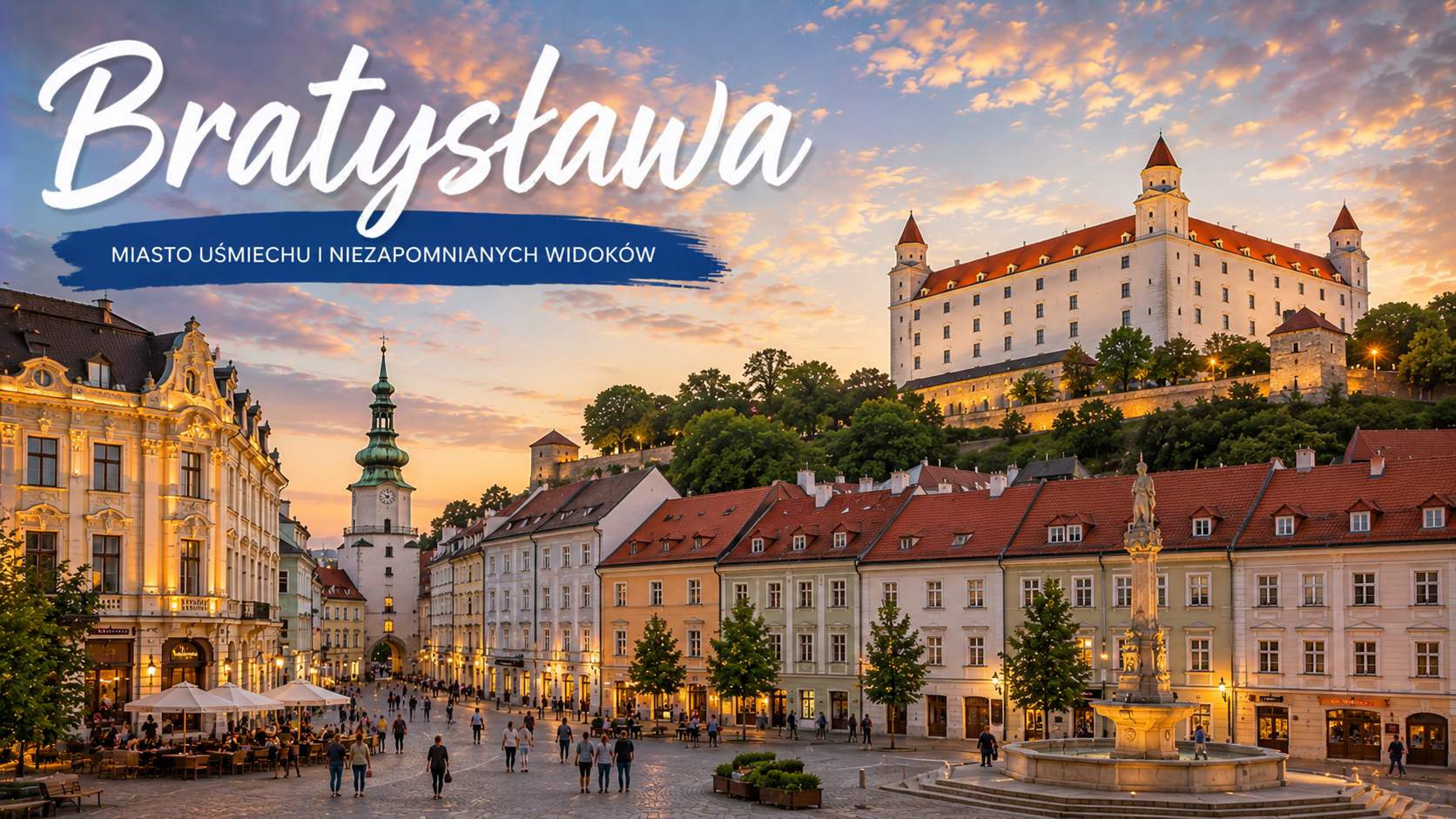
Best for: those looking for a quieter city break, short walks, and a small historic center.
Bratislava is significantly smaller than Vienna, Prague, or Budapest, making it perfect for an unhurried weekend. The Old Town can be explored on foot, walking between Michael’s Gate, the main square, St. Martin’s Cathedral, and the Danube embankment. Bratislava Castle dominates the city center, offering a wide panorama of the city.
The second day can be dedicated to the ruins of Devín Castle, located at the confluence of the Morava and Danube rivers, or to calmly discovering local restaurants and cafes. Bratislava is a good choice for those who prefer a less intense plan and don’t want to spend the entire weekend queuing for attractions.
What to see in a weekend?
- Old Town and Michael’s Gate,
- Bratislava Castle,
- St. Martin’s Cathedral,
- Danube embankment,
- Devín Castle.
Practical tip: The small city center encourages sightseeing without a rigid schedule. However, it’s worth checking transport to Devín in advance if it’s part of your plan.
6. Dresden – art and architecture on the Elbe
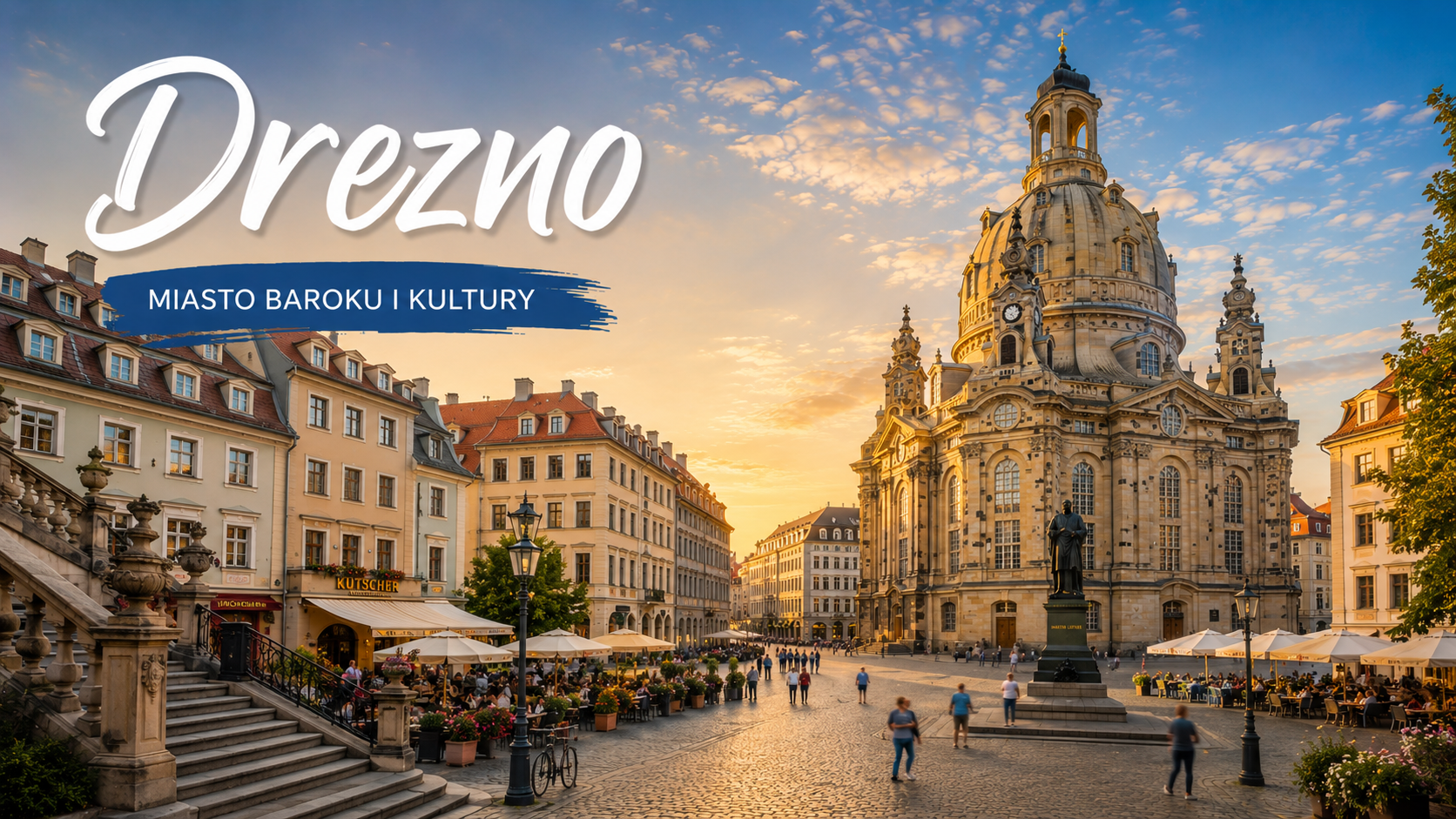
Best for: museum enthusiasts, Baroque architecture, and shorter trips.
Dresden is a good destination, especially for travelers from western and southwestern Poland. Its rebuilt historic center gathers the most important landmarks within a short distance. The Frauenkirche, the Zwinger palace complex, Semperoper, and Brühl’s Terrace form a route that can be comfortably walked.
It’s also worth crossing to the other side of the Elbe to explore Neustadt – a district with a more relaxed atmosphere, full of cafes, restaurants, and small shops. Dresden offers the opportunity to combine classic culture with relaxation by the river and doesn’t require very intense planning.
What to see in a weekend?
- Frauenkirche,
- Zwinger,
- Semperoper,
- Brühl’s Terrace,
- Neustadt district.
Practical tip: If you’re interested in specific museum collections, check opening hours and ticket availability in advance. Not all exhibitions can be comfortably seen during a single visit.
7. Brno – a less obvious alternative to Prague
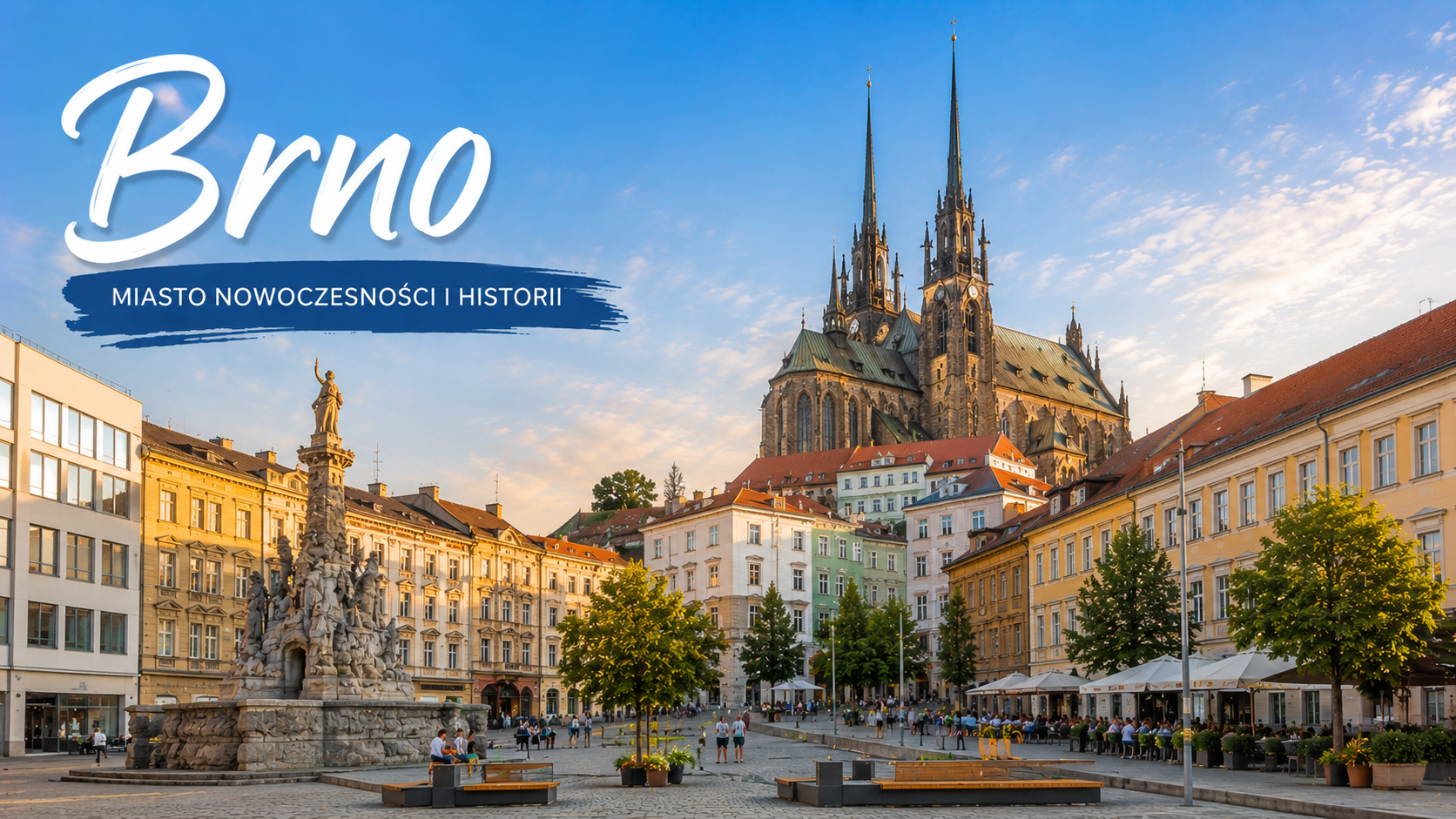
Best for: those avoiding crowds, fans of Czech cuisine, architecture, and peaceful getaways.
Brno is the second-largest city in the Czech Republic, but it maintains a more intimate atmosphere than Prague. In the center, it’s worth seeing St. Peter and Paul Cathedral, the Old Town Hall, the market on Zelný trh square, and the underground tunnels. Špilberk Castle dominates the city, having served various functions over the centuries, including a fortress and a prison.
Fans of modernist architecture might be interested in Villa Tugendhat, a UNESCO World Heritage site. Due to limited availability for interior tours, it’s advisable to book tickets well in advance. Brno is also a good starting point for exploring Moravia, although for a weekend trip, it’s best to focus on the city itself.
What to see in a weekend?
- St. Peter and Paul Cathedral,
- Špilberk Castle,
- Zelný trh square and the city’s underground,
- Old Town Hall,
- Villa Tugendhat or other examples of Brno modernism.
Practical tip: Brno is perfectly suited for exploring on foot. Public transport is mainly useful for more distant attractions and reaching your accommodation.
8. Vilnius – Baroque streets and multicultural history
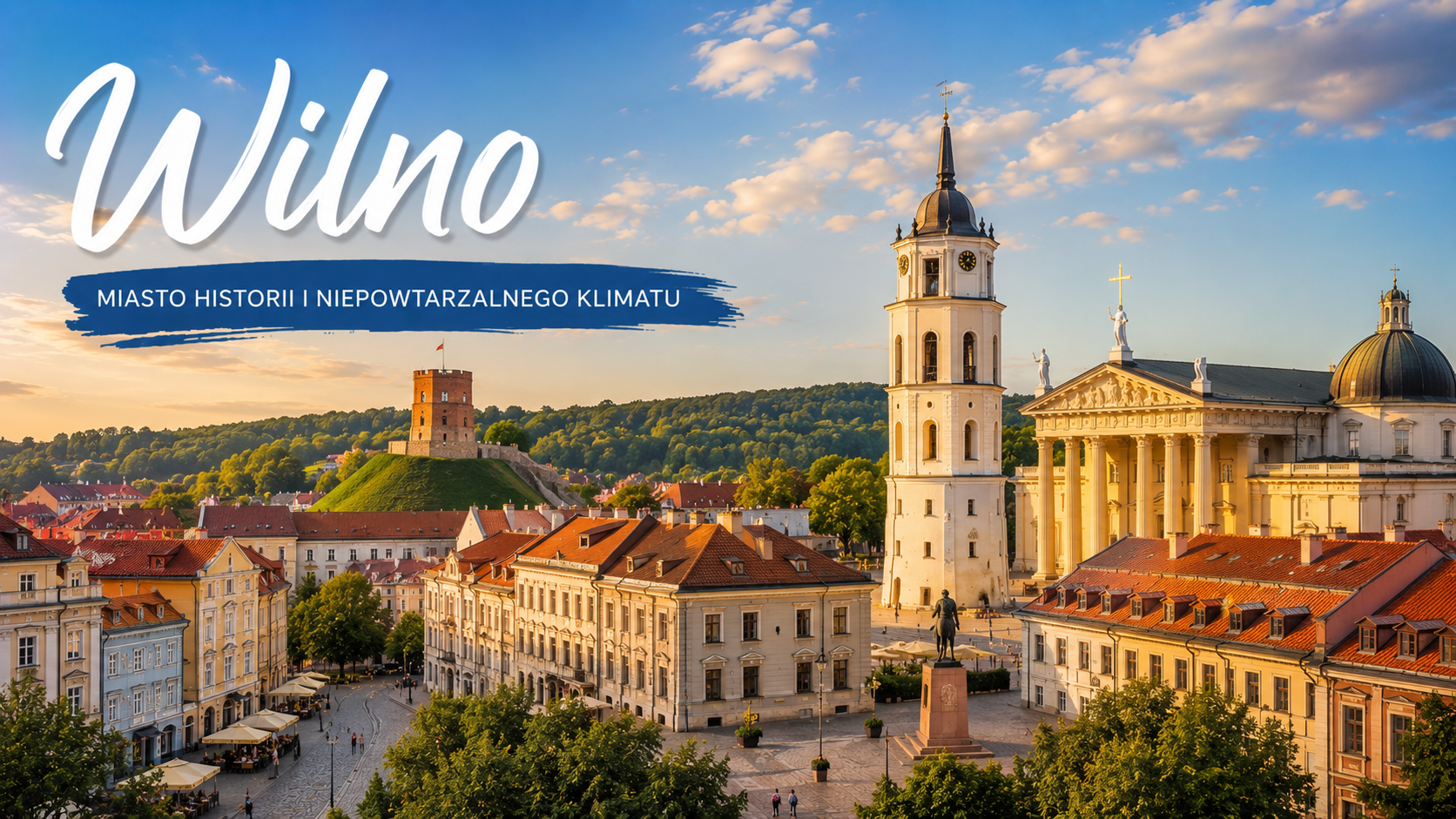
Best for: history enthusiasts, peaceful walks, regional cuisine, and less crowded capitals.
Vilnius stands out with its extensive but pedestrian-friendly Old Town. The Gate of Dawn, Cathedral Square, Vilnius University, and numerous Baroque churches allow you to make good use of your first day. It’s also worth climbing one of the hills or viewpoints to see the characteristic city panorama.
On the second day, you can visit the artistic Užupis Republic, learn about the history of the city’s former inhabitants, or venture into districts located off the main tourist trail. Vilnius has a calmer pace than many Western European capitals, making it ideal for a trip focused on unhurried exploration of the city.
What to see in a weekend?
- Gate of Dawn,
- Cathedral Square and Gediminas’ Tower,
- Vilnius University,
- Užupis Republic,
- the most important churches of the Old Town.
Practical tip: Bring comfortable shoes. The historic center has many cobblestone streets and hills, and most interesting places are best explored on foot.
9. Riga – Art Nouveau, markets, and Baltic atmosphere
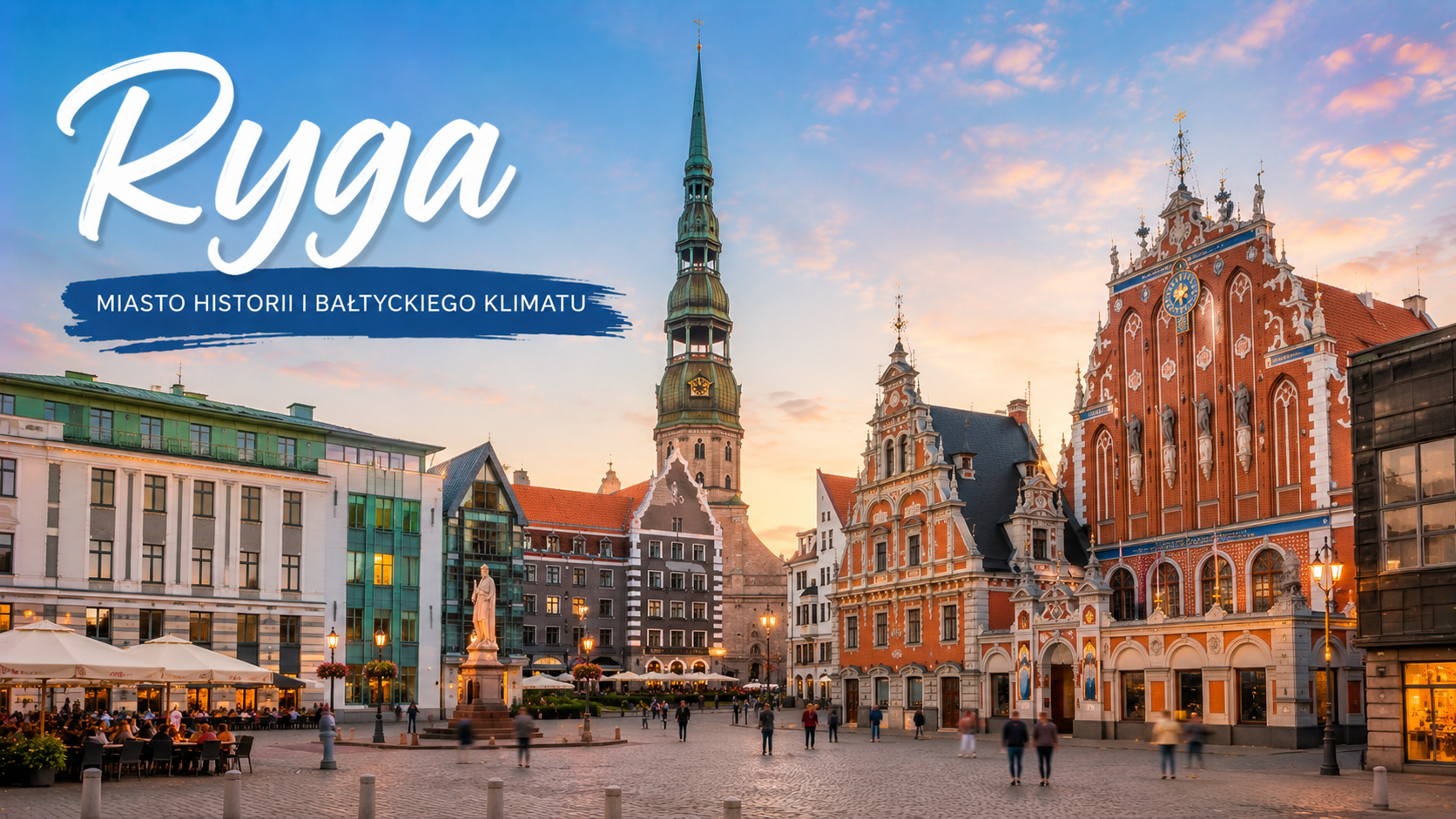
Best for: fans of architecture, city markets, regional cuisine, and Baltic destinations.
Riga combines a medieval Old Town with one of Europe’s most famous collections of Art Nouveau architecture. First, it’s worth seeing the House of the Blackheads, the Cathedral, Town Hall Square, and the streets of the old center. Then you can head towards the Art Nouveau district, especially Alberta Street and its surroundings.
An important point in the city is the Central Market, operating in characteristic hangars. It’s a good place to discover local products and the daily rhythm of Riga. For a longer weekend, you might consider a short trip to the Baltic Sea, but for two days, it’s better to focus on the capital.
What to see in a weekend?
- Old Town and House of the Blackheads,
- Art Nouveau district,
- Central Market,
- Daugava embankment,
- one of the museums dedicated to Latvian history.
Practical tip: Even in summer, the weather over the Baltic Sea can change quickly. A light rain jacket takes up little space and can significantly improve sightseeing comfort.
10. Tallinn – medieval center and modern Estonia
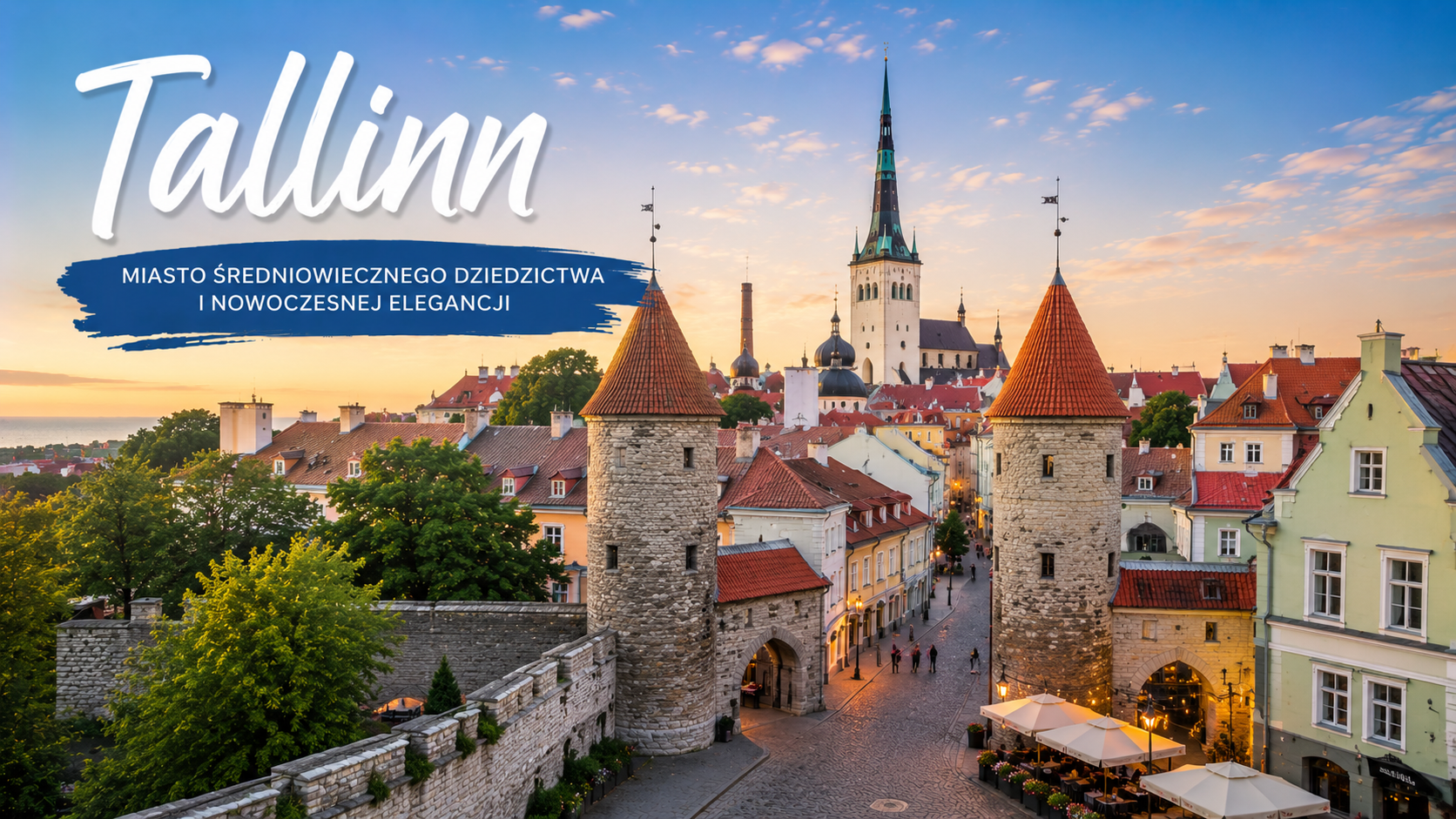
Best for: those looking for a distinct atmosphere, northern architecture, history, and modern urban spaces.
Tallinn is further from Poland than the other cities on this list, so it’s best to plan a trip that includes at least two full days on-site and consider an overnight journey. The reward is one of the best-preserved medieval centers in this part of Europe. Toompea Hill (Upper Town), Kohtuotsa viewpoint, Town Hall Square, and the city walls form an exceptionally coherent walking route.
The more modern side of Tallinn can be discovered in the Rotermann Quarter, the Telliskivi Creative City complex, and former industrial areas transformed into gastronomic and cultural spaces. This means your weekend doesn’t have to be limited to historical sites.
What to see in a weekend?
- Old Town and Town Hall Square,
- Toompea Hill (Upper Town) and viewpoints,
- city walls and bastions,
- Rotermann Quarter,
- Telliskivi Creative City and Balti Jaam Market.
Practical tip: For a long journey, pay special attention to your arrival time, the possibility of early luggage drop-off, and the location of your accommodation relative to the bus station.
How to choose the best city for a weekend?
A good destination should match not only your interests but also the actual time you have available. Before buying a ticket, compare departure and arrival times, travel duration, bus station location, and the possibility of checking into your accommodation.
| Expectations | Suggested cities |
|---|---|
| Classic historical sites and romantic atmosphere | Prague, Vienna, Budapest |
| Museums, history, and intensive sightseeing | Berlin, Vienna, Dresden |
| A more relaxed weekend without rush | Bratislava, Brno, Vilnius |
| Architecture and a less obvious destination | Riga, Brno, Dresden |
| Baltic and northern atmosphere | Vilnius, Riga, Tallinn |
How to plan a weekend bus trip?
1. Start with the times, not just the price
The cheapest fare is not always the best. For a short trip, the most valuable connection is one that allows you to arrive in the morning or before noon and return after making the most of your last day. Also check whether the journey is direct or requires a transfer.
2. Choose accommodation with good transport access
A hotel or apartment doesn’t have to be located right by the main square. Often, a quieter district located near a metro or tram station, or a direct line to the city center and bus station, is a better choice.
3. Prepare a minimum plan
Jot down three main attractions, one bad-weather option, and a few dining spots. Leave the remaining time for spontaneous exploration of the city. Too detailed a schedule easily falls apart when queues appear, the weather changes, or you simply need a rest.
4. Check luggage rules
Luggage limits and rules may vary between carriers. Before traveling, check the allowed dimensions, number of pieces, and rules for additional luggage. Documents, medicines, electronics, and valuable items are best kept in hand luggage.
5. Allow extra time before departure
It’s advisable to arrive at the station early, especially in an unfamiliar city. Allow time to find your stand, for any document checks, and to walk from the public transport stop.
Compare connections and plan your city break
Have you chosen your destination yet? In the bilety.pl search engine, you can compare available bus connections, departure times, and ticket prices offered by various carriers.
Frequently Asked Questions
Where is it worth going by bus for a first weekend abroad?
For a first city break, Prague, Berlin, Bratislava, or Brno are good choices. They have a clear layout of attractions, efficient public transport, and extensive accommodation options. The final choice should depend on your departure city and available connection times.
Does an overnight bus trip make sense for a city break?
Yes, especially on longer routes. An overnight journey can reduce accommodation costs and allow you to start sightseeing in the morning. However, you need to consider your own sleeping comfort, arrival time, and the possibility of leaving luggage before check-in.
When is the best time to buy a bus ticket for a weekend?
It’s worth buying a ticket after confirming your dates and accommodation, especially before long weekends, holidays, and popular events. Earlier purchase usually gives a wider choice of times, seats, and available connections.
How many days are needed for a European city break?
For compact cities like Bratislava, Brno, or Dresden, two full days may be enough to explore the main attractions. Berlin, Vienna, Budapest, Riga, and Tallinn are best planned for at least two full days, and if possible, extend the stay to three days.
What to pack for a weekend bus trip?
The most important items are an ID, ticket, phone with charger or power bank, basic medicines, water, a small snack, comfortable clothing, and items needed during the journey. It’s advisable to limit luggage to a minimum to move around the city more easily.
The information in this article is for inspirational purposes. Before traveling, check the current timetable, transport conditions, required documents, attraction opening hours, and local operator announcements.